
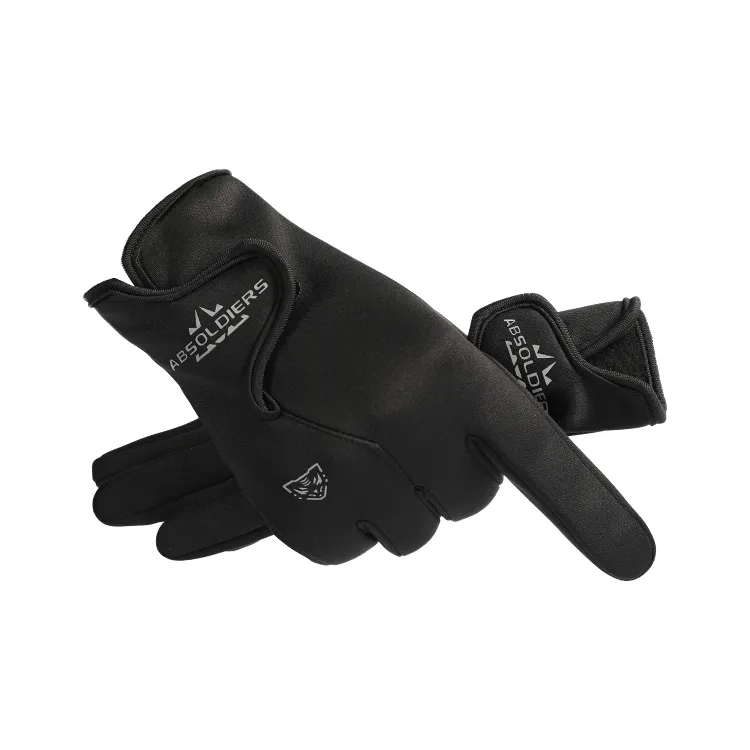
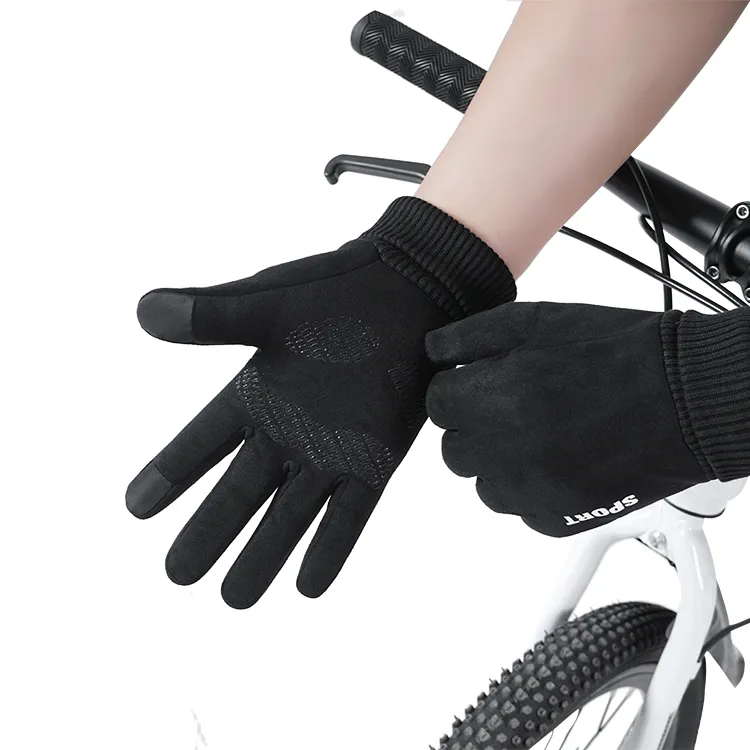


thermal resistant gloves
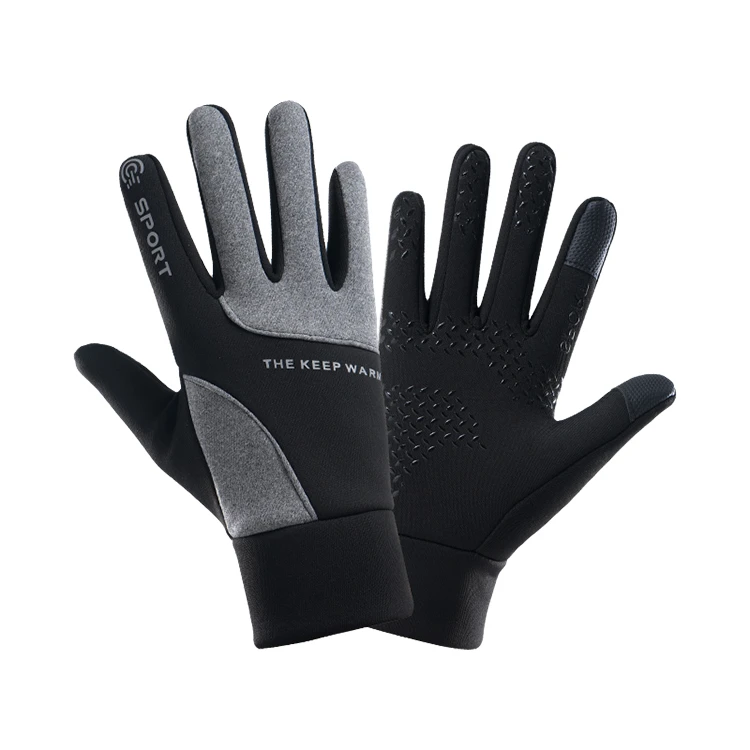
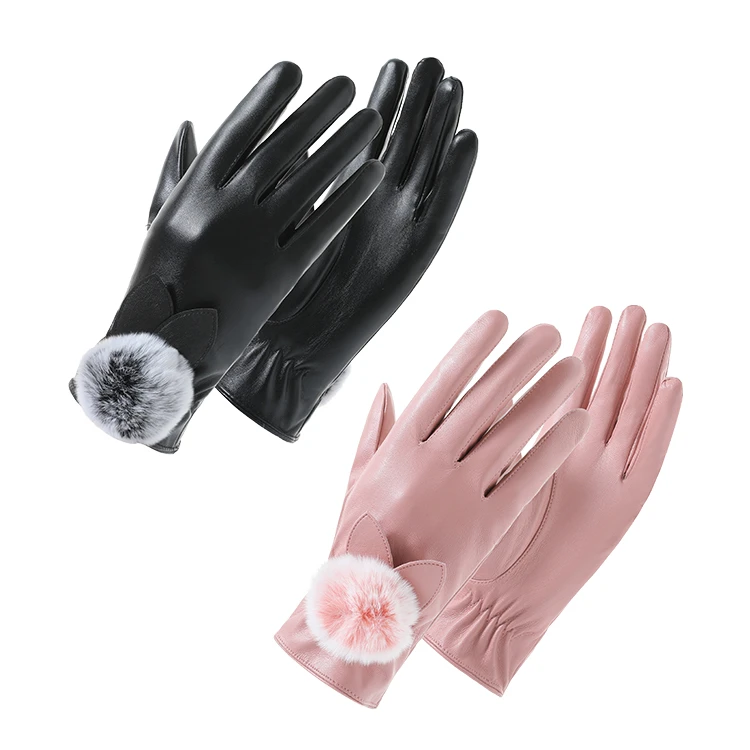
/In the world of personal protection equipment, thermal gloves are an indispensable asset for professionals working in environments with temperature extremes. Whether handling scorching materials, delving into the icy depths, or engaging in high-temperature industrial settings, the necessity for thermal protection cannot be overstated. Today, we delve into the intricacies of thermal protection gloves, offering insights from seasoned professionals and industry experts to create a comprehensive guide on this essential gear. Thermal protection gloves are designed to provide both safety and comfort across a wide range of temperature conditions. Their core functionality lies in the specialized materials used in their construction, usually featuring layers of thermal-resistant fabrics and advanced polymers. These materials, often innovated and tested by industry leaders, are engineered to resist heat transfer and offer protection against cold without sacrificing dexterity or comfort. Consider the example of construction workers operating in freezing temperatures. Dewalt's line of thermal gloves, for instance, employ a unique blend of fleece and synthetic insulation to provide warmth without bulk. These gloves are celebrated for their ergonomic design, allowing craftsmen to handle tools and materials with precision—proof of the expertise involved in their development. In contrast, those dealing with high-temperature environments, such as metalworkers, require gloves that can withstand extreme heat. A reputable choice in such settings includes the Superior Glove HeatPact, which incorporates Kevlar® fiber for a heat shield coupled with a thermal liner ensuring comfort. This choice reflects deep industry knowledge, with manufacturers collaborating closely with occupational health experts to deliver solutions that prevent burns and injuries. gloves thermal protection The authority of these products is often showcased through their compliance with rigorous international standards. Thermal gloves are not merely a recommendation but a compliance requirement in many industries, with certifications from bodies like CE (Conformité Européenne) serving as testament to their reliability. This authoritative approval assures consumers that performance claims are met, a reassurance backed by exhaustive tests and validations. Industry professionals often rely on these certifications when selecting thermal gloves, trusting in both the brand reputation and regulatory endorsements. Trustworthiness is further reinforced through user testimonials and case studies. Companies like Ansell and Mechanix Wear provide platforms for professionals to share real-world experiences, allowing potential users to assess the effectiveness of the gloves in scenarios that mirror their own. This feedback loop establishes an additional layer of trust, showcasing the gloves' performance and durability in practical applications. Practical tips for selecting thermal gloves pay dividends in the real-world application . Professionals are advised to assess their specific environmental challenges, whether they need resistance to moisture, additional grip, or enhanced cut protection. Experts highlight the importance of glove fit, with many recommending periodic checks and trials to ensure compatibility with the specific tasks at hand. In doing so, they leverage their expertise to guide users toward making informed decisions, minimizing the risk of accidents or discomfort. In summary, thermal protection gloves are a crucial part of personal protective equipment, meticulously crafted through the combined knowledge of engineers, safety standards, and end-user feedback. Their development, driven by real-world experiences, showcases not only the expertise and authority but also the trustworthiness of manufacturers committed to safeguarding individuals in challenging thermal environments. As technology and material science advance, these gloves continue to evolve, promising superior protection and performance for the diverse needs of workers worldwide.
quality and competitive market prices.
-
Glove Sample Creation

 Glove Sample CreationCreate glove samples based on customers' designs and specifications, ensuring counter samples are completed and approved for production.
 -
Custom Branded Accessories Development

 Custom Branded Accessories DevelopmentSupport customers in sourcing and designing accessories and packaging with their private brand for a customized touch.
 -
Private Label Glove Production

 Private Label Glove ProductionManufacture gloves following approved samples with branded accessories, ensuring timely delivery of high-quality products.
 -
Quality Control and Testing

 Quality Control and TestingConduct thorough quality checks and testing throughout the production process to ensure gloves meet all customer requirements and industry standards before delivery.
Whether for work or sports, these gloves exceeded my expectations. Highly recommend to anyone looking for reliable hand protection!"